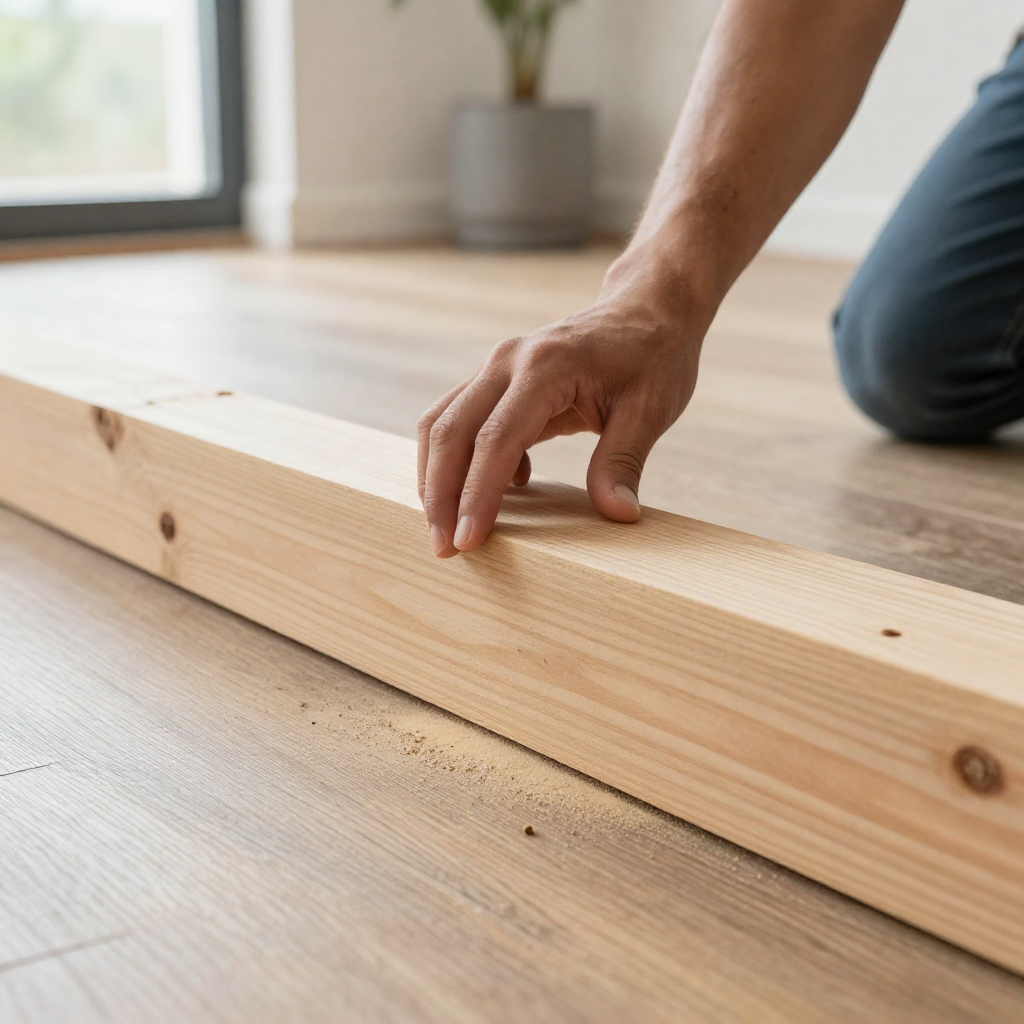
Wood is one of the most valuable materials used in homes, furniture, flooring, roof beams, fences, cabins, and historic buildings. It provides strength, durability, and natural beauty. However, because wood is a natural material, it can sometimes attract insects that live, feed, or nest inside timber. These pests are commonly known as wood-boring insects.
Wood-boring insects can quietly damage timber from the inside, often remaining hidden for months or even years before homeowners notice obvious signs of infestation. In some cases, damage may become serious enough to weaken furniture, wooden floors, structural beams, and even entire buildings.
The good news is that understanding wood-boring insects helps homeowners recognize early warning signs, reduce risks, and protect timber before severe damage develops.
Many homeowners researching timber care through shashel.eu/ understand that early detection and preventive maintenance are essential for protecting wooden structures from hidden pest damage.
In this guide, we will explain what wood-boring insects are, the most common types, warning signs, and how to protect timber effectively.
What Are Wood-Boring Insects?
Wood-boring insects are pests that live inside wood or use timber for feeding and nesting.
These insects usually:
- Lay eggs in wood
- Tunnel through timber
After hatching:
- Larvae feed internally
Because activity happens inside the wood:
Damage often remains hidden
Many infestations continue quietly for long periods.
Why Wood-Boring Insects Damage Wood
Most wood-boring insects target timber because it provides:
- Food
- Shelter
- Safe nesting spaces
Why Some Wood Becomes More Vulnerable
Risk increases when wood becomes:
- Damp
- Weak
- Cracked
Poor ventilation also increases infestation risk.
Healthy dry timber naturally discourages pests.
Common Types of Wood-Boring Insects
Several insects commonly damage timber.
1. Woodworm
Woodworm is one of the most common wood pests.
Woodworm
How Woodworm Causes Damage
Larvae tunnel through wood internally.
They often affect:
- Roof beams
- Floorboards
- Furniture
Warning Signs Include
- Tiny holes in wood
- Powdery dust
Damage often stays hidden.
2. Termites
Termites are among the most destructive wood pests.
Termite
Why Termites Are Dangerous
They feed continuously on wood.
They may weaken:
- Structural beams
- Wooden walls
- Floor supports
Warning Signs Include
- Hollow wood sounds
- Weak timber
Fast action matters.
3. Powderpost Beetles
Powderpost beetles can damage wooden surfaces.
Powderpost beetle
Why They Cause Problems
Their larvae feed inside timber.
Signs Include
- Fine powdery dust
- Small holes
Furniture and flooring often become targets.
4. Carpenter Ants
Carpenter ants damage wood differently.
Carpenter ant
What Makes Them Different
Instead of eating wood:
They tunnel through it to build nests
Common Signs Include
- Small wood fragments
- Activity in damp areas
Moist timber increases risk.
5. Carpenter Bees
Carpenter bees mainly affect outdoor wood.
Carpenter bee
Commonly Affected Areas
- Decking
- Railings
- Fences
Repeated nesting weakens wood over time.
Outdoor maintenance helps reduce risk.
Common Signs of Wood-Boring Insects
Recognizing warning signs early matters.
Tiny Holes in Wood
May signal insect emergence.
Powdery Dust (Frass)
Often indicates active feeding.
Weak or Soft Timber
Internal damage may be developing.
Hollow Sounds
Hidden tunnels may weaken wood.
Visible Insect Activity
Repeated sightings deserve attention.
Never ignore warning signs.
Many homeowners exploring timber care through shashel.eu understand that catching infestation early often prevents expensive structural repairs.
Why Damp Wood Attracts Insects
Moisture is one of the biggest causes of infestation.
Why Dampness Matters
Wet wood becomes:
- Softer
- Easier to damage
Common Moisture Sources Include
- Roof leaks
- Plumbing leaks
- Condensation
Dry wood naturally discourages wood-boring insects.
Healthy environments matter.
High-Risk Areas in Homes
Wood-boring insects often remain hidden.
Areas Worth Inspecting
Check:
- Roof beams
- Floorboards
- Furniture
- Wall supports
- Attics
Hidden spaces deserve regular inspection.
Routine checks improve protection.
How to Prevent Wood-Boring Insects
Keep Timber Dry
Dry wood naturally resists pests.
Improve Ventilation
Healthy airflow reduces humidity.
Inspect Timber Regularly
Watch for:
- Tiny holes
- Powdery dust
Repair Moisture Problems Quickly
Leaks increase infestation risk.
Seal Cracks
Reduce insect access.
Small maintenance habits matter.
Modern Treatment Options
Modern wood protection continues improving.
Common Solutions Include
- Heat treatment
- Microwave treatment
These methods may help eliminate hidden infestation inside timber.
Professional advice improves results.
Common Mistakes Homeowners Make
Ignoring Small Signs
Tiny holes often signal larger hidden problems.
Delaying Repairs
Damage spreads quietly.
Ignoring Moisture
Damp wood attracts pests.
Skipping Hidden Spaces
Attics and roof beams deserve attention.
Routine care improves prevention.
Conclusion
Understanding wood-boring insects is essential for protecting wooden homes, furniture, and structural timber. Pests such as woodworm, termites, powderpost beetles, carpenter ants, and carpenter bees may quietly weaken wood from the inside if ignored.
Recognizing warning signs such as tiny holes, powdery dust, weak timber, hollow sounds, and moisture problems helps homeowners stop damage before repairs become costly.